Marine Diesel Engine Troubleshooting: Identifying Faults Before Critical Breakdown
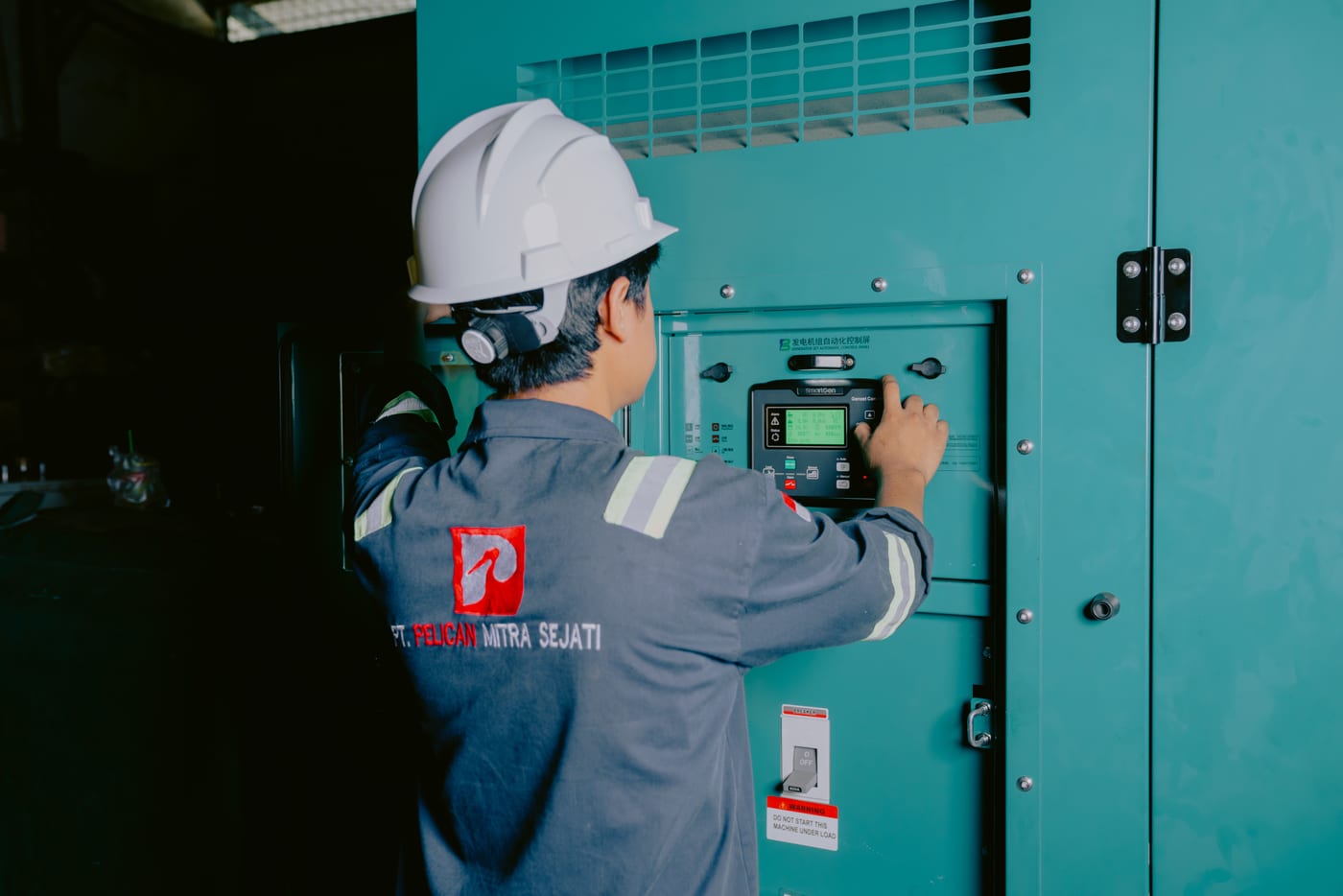
Marine diesel engine troubleshooting is a disciplined, systematic procedure to identify, analyze, and determine the root causes of engine malfunctions based on operational symptoms, telemetry data, and actual mechanical conditions. Unlike reactive repairs that merely swap components after failure, a structured engineering approach focuses on three core principles:
- Rigorous cause-and-effect analysis
- Validation of operational parameters and physical telemetry
- Prevention of unnecessary and premature component replacement
The objective is not simply to conclude maintenance quickly, but to resolve the fundamental problem with absolute technical precision.
Early Warning Indicators of Diesel Engine Faults
Early identification of irregular engine behavior prevents minor operational anomalies from escalating into catastrophic mechanical failures. Common symptoms include:
- Engine hunting and RPM instability: Erratic speed fluctuations often linked to electronic governor anomalies, fuel pressure oscillations, or sticky fuel rack mechanisms.
- Hard starting under cold conditions: Extended cranking periods caused by low cylinder compression, faulty glow systems, air ingress in fuel rails, or insufficient cranking speed.
- Power derating under load: Inability of the engine to reach rated output, typically triggered by turbocharger fouling, restricted fuel delivery, or clogged air filters.
- Abnormal exhaust emissions: Black smoke indicating incomplete combustion or air starvation; white smoke indicating unburnt fuel or coolant ingress; blue smoke signifying lube oil consumption past worn valve guides or piston rings.
- Engine overheating: Abnormal temperature spikes across cylinder jackets or exhaust manifolds caused by scale accumulation, cooling water pump failure, or defective thermostatic valves.
While these symptoms may initially appear isolated, they frequently indicate deeper systemic issues within the fuel injection, combustion chamber, or engine governance systems.
Structured Diagnostic Methodology
A professional troubleshooting protocol never begins by disassembling machinery. It commences with systematic observation, data capture, and structured analysis:
- Operational data collection: Recording exact RPM, lube oil pressure, jacket water temperature, exhaust gas temperatures per cylinder, and operational load history.
- Visual and functional examination: Inspecting fuel and oil lines for external leakage, listening for abnormal acoustic signatures, inspecting mechanical linkages, and observing vibration profiles.
- Subsystem diagnostic correlation: Cross-referencing findings across the fuel injection system, turbocharger air-intake path, exhaust manifold, lubrication circuit, and electronic governing unit.
- Root cause determination: Identifying not just which component has degraded, but precisely why that failure occurred (such as fuel contamination, thermal stress, or mechanical misalignment).
This disciplined workflow prevents the costly mistake of replacing functional spare parts without addressing the underlying source of failure.
Common Field Errors to Avoid
In offshore and marine operations, field engineers often encounter avoidable diagnostic mistakes:
- Replacing expensive injectors or fuel pumps based on assumptions rather than measured data
- Neglecting supporting auxiliary circuits, such as fuel feed pressure or charge air cooling efficiency
- Failing to log and document baseline operating parameters before and after maintenance
- Focusing solely on immediate surface symptoms while ignoring the root cause
These practices not only waste valuable operational time, but significantly increase vessel operating expenses and risk recurring breakdowns at sea.
When to Mobilize Certified Marine Engineers
If an engine displays recurring alarms, significant power loss, or anomalies within critical subsystems such as high-pressure fuel injection or automated safety shutdowns, immediate professional intervention is strongly advised.
Experienced marine technicians equipped with calibrated diagnostic tools can:
- Minimize vessel downtime and off-hire penalties
- Prevent consequential damage to crankshafts, cylinder liners, and turbochargers
- Restore optimal fuel economy and maintain long-term mechanical reliability
Conclusion
Marine diesel engine troubleshooting is not a race to swap components the fastest. It is the technical discipline of understanding problems accurately. With a systematic, analysis-driven methodology, machinery faults can be resolved sustainably, ensuring operational readiness and navigational safety.
Verified by Batam marine engineering practitioners in compliance with classification society rules, MARPOL standards, and manufacturer guidelines.